Overcoming Depression

Mental & Emotional Wellness

A science-based path to restoring emotional balance, mental clarity, and life vitality. 

Depression, also known as Major Depressive Disorder, is not simply a period of sadness or emotional weakness. It is a complex medical condition involving changes in brain chemistry, stress hormones, and neural communication.

As Dr Parag Sharma, MD (Psychiatry) explains, depression affects key brain regions responsible for memory, emotional regulation, and decision-making. The encouraging news is that the brain has the capacity to heal through medical care, therapy, and lifestyle adjustments. 

"The brain has the capacity to heal."

Dr. Parag Sharma, MD

Understanding Depression

The Neurobiology of Depression

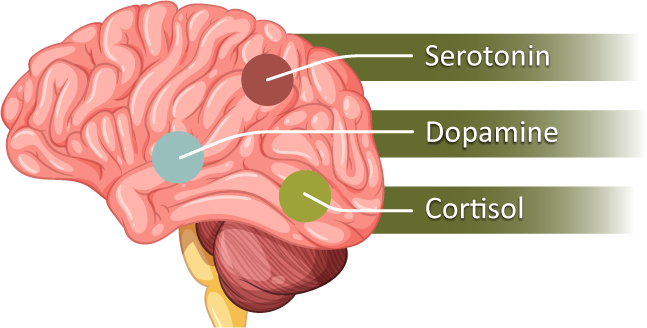
Depression is rooted in biological processes within the brain. Communication between neurons relies on chemical messengers known as neurotransmitters, including serotonin, dopamine, and norepinephrine. When these systems become imbalanced, mood regulation, motivation, and emotional processing can be disrupted. 

Chronic stress can also increase levels of cortisol, a stress hormone that affects areas such as the hippocampus — the brain structure responsible for learning and memory. This biological response often explains symptoms such as brain fog, emotional numbness, and difficulty concentrating. 

"Understanding depression as a medical condition rather than a personal failure allows individuals to approach treatment with clarity and hope."

Recognizing the Signs

Common Symptoms of Depression

Persistent Sadness

Loss of Interest

Low Energy & Fatigue

Sleep Disturbances

Reduced Concentration

Feelings of Hopelessness

Social Withdrawal

Loss of Motivation

The Brain's Ability to Recover

Neuroplasticity & Mental Recovery

One of the most powerful discoveries in neuroscience is neuroplasticity — the brain's ability to reorganize and form new neural connections. With the right therapeutic and lifestyle interventions, individuals can gradually restore emotional stability and mental resilience.

Important biological drivers of recovery:

Physical movement

Healthy sleep cycles

Meaningful social connections

Cognitive restructuring

These changes stimulate the release of Brain-Derived Neurotrophic Factor (BDNF), a protein that supports neuron growth and brain repair.

Evidence-Based Treatment

How Depression Is Treated

Psychological Therapies

Evidence-based therapies such as Cognitive Behavioral Therapy (CBT) help identify negative thinking patterns that maintain depressive cycles. 

  • All-or-nothing thinking 
  • Catastrophizing 
  • Emotional reasoning  

These patterns can then be gradually replaced with healthier cognitive frameworks.

Behavioral Activation

Depression often leads to avoidance of activities that previously provided joy or accomplishment. Behavioral activation focuses on reintroducing structured activities that stimulate motivation, social interaction, and emotional reward systems. 

This process helps re-engage dopamine pathways responsible for motivation and pleasure

Lifestyle Medicine

Lifestyle factors strongly influence brain health. Key areas addressed include: 

  • Sleep hygiene 
  • Nutrition and gut health 
  • Regular physical activity 
  • Stress management 

Mediterranean-style nutrition rich in Omega-3 fatty acids supports healthy neuronal communication. 

Medication Support

For some individuals, medication can help stabilize brain chemistry. Antidepressants such as SSRIs and SNRIs increase the availability of neurotransmitters, allowing the brain to regain balance. 

This makes therapy and lifestyle changes more effective as part of an integrated treatment plan. 

Holistic Recovery

Lifestyle Factors That Influence Depression

Depression does not exist in isolation. Biological health, lifestyle patterns, and emotional experiences all interact. Addressing these areas often plays a crucial role in long-term recovery. 

Key areas that influence mood: 

Sleep rhythm

Diet quality

Physical activity

Social connection

Substance use

Daily routine

Step by Step

Your Recovery Journey

One of the most powerful discoveries in neuroscience is neuroplasticity — the brain's ability to reorganize and form new neural connections. With the right therapeutic and lifestyle interventions, individuals can gradually restore emotional stability and mental resilience.

Important biological drivers of recovery:

Initial Consultation

Comprehensive Assessment

Personalized Treatment Plan

Ongoing Care & Monitoring

Recovery Is Possible 

Recovery from depression is rarely a perfectly straight path. It often involves gradual progress with occasional setbacks. 

However, neuroscience shows that the brain is highly adaptable and capable of healing. With structured support, scientific treatment strategies, and compassionate care, individuals can rediscover emotional vitality, purpose, and connection. 

Take the First Step Toward Recovery

If you or a loved one are experiencing symptoms of depression, professional guidance can make a meaningful difference.